Everest
Base Camp & Kala Patar 
The
world famous journey, staying in tea
houses and lodges on the trek
|
|
|
|
|
|
|
|
|
|
|
|
|
Course
overview
 |
 |
If
it is your first time visting the Himalayas,
this is the most famous, and most popular
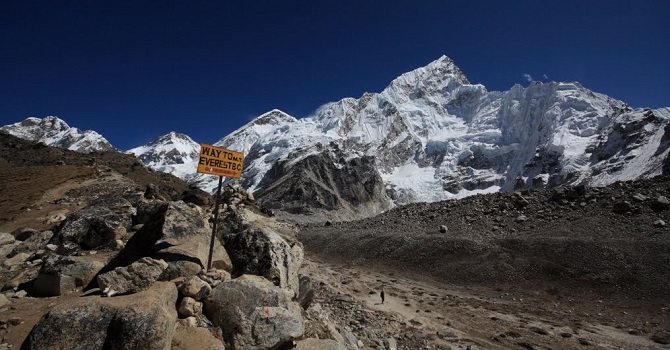
trek in Nepal. The trek includes the famous
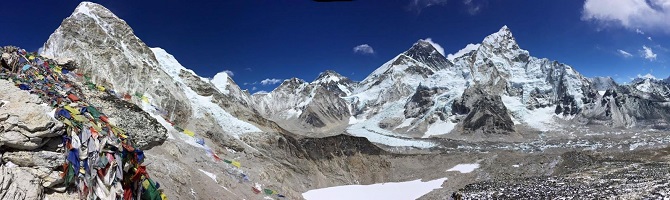
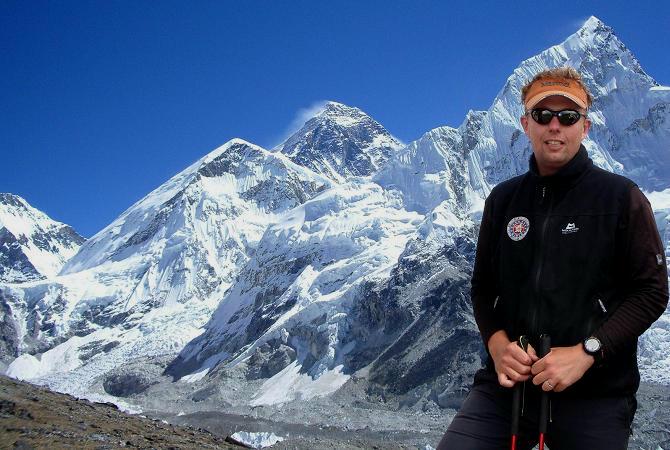
viewpoint of Kala Patar at 5545m, from where
you see the famous Khumbu Glacier and the
surrounding 8000m peaks, including Ama Dablam
and Lhotse, with the towering summit of Everest. |
|
We
run this trip at the time of year when there
are the best conditions and calmest weather
for the best views. It is key to avoid the
rainy season of April to September. During
these months there is often too much snow
on the upper mountain. Our scheduled dates
and private expeditions are all operated outside
the rainy seasons. |
|
This
trip will appeal to those looking to experience
the amazing scenery of Nepal with breathtaking
views every day of the trek. As the trip is
non technical it requires no mountaineering,
climbing or trekking experience. |
|
As
we run expeditions to high altitude peaks,
such as Aconcagua, Mont Blanc and Mount Elbrus,
we are very aware of the importance of acclimatisation,
and so this itinerary has been carefully designed
to prepare you as much as possible.
The trek includes two days of acclimatisation
and sightseeing to make it less intense. |
|
Dates
not suit?: For groups of just two or more,
we will run bespoke trips on any dates outside
the rainy monsoon season for exactly the same
price as the standard courses. |
|
Dates:
These
are listed in the column on the right, and
they show the live availability from our secure
online booking system. When you book online,
you receive immediate confirmation, your Alpine
Information Booklet, course specific kit list
and invoice. |
|
|
|
|
 |
Expedition
groups and experience
Our
formula is to restrict the group sizes, so that there
are a maximum of 12 clients on each trip. The small group
sizes enable us to run specialist ascents, where the group
can bond well, and each expedition member has great access
to all the Icicle staff, local guides and porters. This
is more intimate and more inclusive than the mass group
commercial style expeditions run by some operators, where
the needs and speed of each individual cannot be catered
for. Although
you require no previous mountaineering experience for
this expedition, you are advised to be a competant UK
hill walker who is familiar with up to six hour walking
days. As you will note from the itinerary, this expedition
is quite intensive in order to ensure your acclimatisation.
Upon booking you will be sent a full detailed expedition
dossier with suggested training and preparation and equipment
lists. |
|
 |
|
Trek
meals, food, and guides
A key factor in the success
of any expedition is its how well rested and fed
the team is. We have ensured that the tea houses
and lodges are all of a suitable quality, and that
all the meals on the trek are provided, so each
day from Lukla to Lukla, you are fed breakfast,
lunch and dinner. We find that clients are always
amazed by how good and plentiful the food is, and
there is a good mixture of food from local to international,
to cater for different tastes.
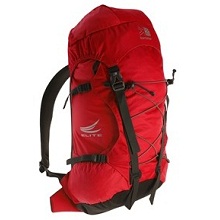
We recommend you carry only a 20 litre bag at most,
the size of a typical day sack for hillwalking in
the UK. We ensure that all the guides and any porters
are suitable fed and clothed. On the nights in Kathmandu,
the evening meals are not included, but you can
eat at the hotel / nearby cheaply, and there's a
wide choice of food. |
|
|
 |
Who
does the Everest Base Camp Trek appeal to, and why? |
| This
trek is ideal for those new to trekking as it is non-technical
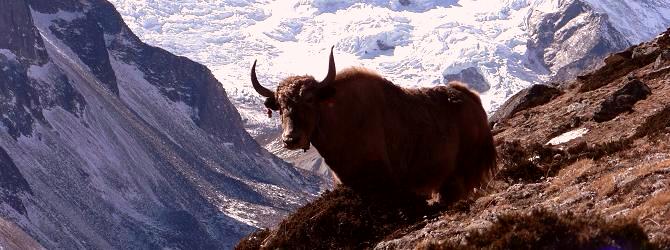
and follows good paths and yak tracks. In good conditions
it can be considered easy, but all trekking requires a
basic good level of fitness so that you can enjoy the
views of the amazing scenery. The trek is designed to
build your acclimatisation slowly over the two weeks,
but as the majority of the trek is at an altitude of over
3000m everyone will find it demanding. The average length
of each day of trekking is between four and six hours,
with extra breaks and lunches. Two days of rest and sightseeing
are built into the trip, at the famous trading post of
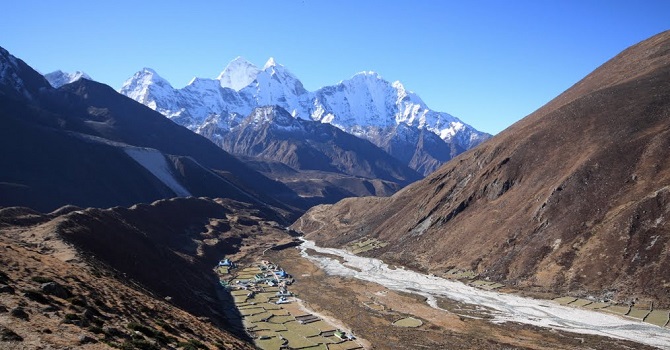
Namiche Bazaar and the ancient farming region of Dingboche
/ Pheriche, where you do acclimatisation walks from the
village and return there in the evening. This gives time
for rest and recuperation, and also gives time to experience
the scenery and cultures that you pass through. |
|
 |
| |
| Everest
Base Camp Trek Itinerary |
|
Day
1
|
Fly
to Kathmandu International Airport, where typically
the flight arrives around 18:00. Transfer to the
hotel in Kathmandu, evening meal, trek briefing
after dinner, and equipment queries. Night in hotel. |
|
Day
2
|
Drive
to Kathmandu airport and catch flight to Lukla airport
(flight takes approx 40 mins). This is an exciting
flight in a small plane to reach the high airfield
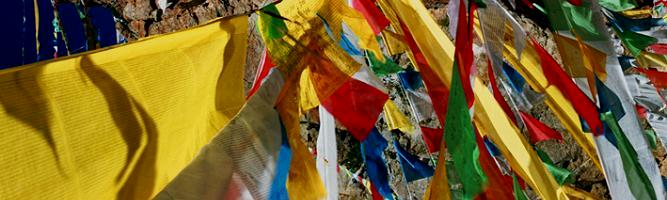
with its colourful prayer flags. In the afternoon
you trek from Lukla to the village of Phakding where
you stay for the night. Night
in Phakding village, 2610m. |
|
Day
3
|
Trek
through the forests to enter the narrow gorge of
the start of the Khumbu National Park. After some
exhiliarating crossings of some high suspension
bridges you reach the prosperous trading post of
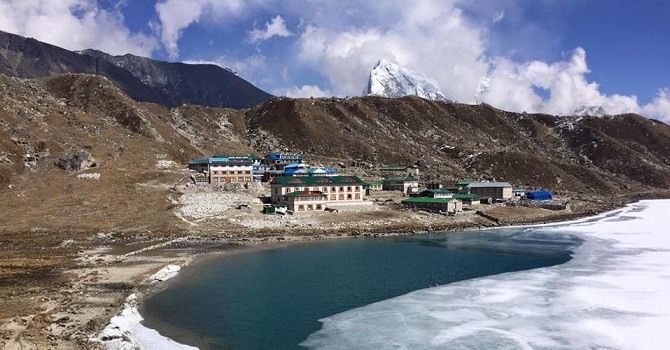
Namiche Bazaar. From here you gain the first views
of Everest. Night in Namche Bazaar, 3400m. |
|
Day
4
|
Today
is a day for acclimatisation and rest at the ancient
trading post of Namche Bazaar. This has some of
the oldest tea shops and lodges in the region with
beautiful blue roofs. An afternoon acclimatisation
trek up the Imja valley to a ridge with stunning
views of Ama Dablam. Night in Namche Bazaar, 3400m. |
|
Day
5
|
An
early start from Namche Bazaar to gain the ridge
crest and trek to the impressive monastery at Thyangboche.
Here there is time for a tour around the monastery
and visitors centre. Surrounded by snow capped peaks,
it is an amazing viewpoint for photos. Night in
Thyangboche, 3860m. |
|
Day
6
|
From
Thyangboche there is an easy five hour trek through
the fragrant rhodedendrons and past the village
of Payboche which has the oldest monastery in the
region. The area is an ancient farming region and
you should see local farmers and yaks grazing. Night
in Dingboche 4410m / Pheriche 4252m. |
|
Day
7
|
Today
is another day to rest and acclimatise as you are
now at an altitude of more than 4000m. The day is
spent in the stunning pastoral scenery of Dingboche
/ Pheriche. There is an acclimatisation trek in
the afternoon to gain around 300m with fantastic
mountain views. Night in same village as last night. |
|
Day
8
|
Trekking
through the rural countryside from Dingboche / Pheriche
surrounded by the high mountain peaks. You also
pass the poignant memorial to the local sherpas
that have died on ascents of Everest. Here the view
is dominated by the huge snowy face of Lhotse. Night
in Loboche, 4910m. |
|
Day
9
|
From
Loboche the trek continues up the valley to the
steep gravel morraines that have been deposited
by the glaciers retreating. Above the gravel mounds
you reach an island of grasses that is called Gorek
Shep. Here, at over 5000m are the highest tea houses
in the region. Night in Gorak Shep,5140m. |
|
Day
10
|
Today
is the big day to reach Everest Base Camp! Starting
early for the best weather and clearest air, you
climb the scree and moraine to reach the great viewpoint
of Everest and walk on the surface of the famous
Khumbu ice fall. Time to absorb the atmosphere &
take photos. Night in Gorak Shep, 5140m. |
|
Day
11
|
An
early start today to trek the two hour steep climb
to reach Kala Patar. From
here you have, what is considered to be, one of
the best viewpoints in the Himalayas. The peak gives
a 360 degree view of the stunning snow capped mountains
with Everest and the Khumbu valley.
Night Pheriche / Pangboche. |
|
Day
12
|
After
a slightly later start from the village, a short
climb before continuing on a good contour track
towards the bridge at Phortse. From
Phortse you start the descent back down the scenic
valley, crossing the river, and climbing to Mon
La before reaching Namche Bazaar.
Night in Namche Bazaar. |
|
Day
13
|
Passing
through the local villages of the Monjo region,
the trek takes us to the traditional Sherpa village
of Chaumrikharka, where there is time for lunch
and photos. The final part of the trek is a short
steep climb to reach Lukla. There is a traditional
Nepalese dinner and the night is spent in the Lukla
lodge. |
|
Day
14
|
Today
after breakfast in the lodge in Lukla, there is
a transfer to the airport to catch the internal
flight back to Kathmandu. The afternoon can be spent
either relaxing in the hotel in Kathmandu, or exporing
the great shopping bargains that Kathmandu is famous
for. In the evening you go out for a group celebratory
meal. |
|
Day
15
|
Morning
off for you to explore Kathmandui, before the airport
transfer. The flight usually leaves in the mid afternoon,
arriving back in the UK late on Monday evening/
early Tuesday morning. |
|
| ITINERARY
NOTES: Where possible we follow the itineraries, but as
mountain activities are always weather and conditions
dependant, we are sometimes forced to alter the plans.
If this is the case, a suitable different route will be
attempted, and you will be informed at the first suitable
opportunity. Please use this outline course itinerary
as a guide to the style of trip, with good conditions,
as it will not necessarily be an exact blueprint for the
exact schedule that you will follow. |
|
 |
|
|
| Course
Prices |
|
|
Everest
Base Camp Trek
|
13
days guiding, 15 days in total |
£1699 |
|
Flights
to Kathmandu
|
Icicle
holds ATOL T7228
We can supply flights to Kathmandu |
POA |
|
|
Secure
online booking system |
|
|
| Standard
Course Inclusions: 1) Nepalese trekking guides
(English speaking) for daily leading and guiding, 2) Pre-expedition
Info Booklet, 3) Equipment discount voucher for our UK
shop, 4) All tea house and lodge accommodation in Nepal
on a full board basis (Lukla to Lukla), 5) Road transport
in Nepal to / from Lukla airport to start / end the trek
and airport transfers to / from Kathmandu airport and
Kathmandu hotel, 6) All costs for expedition leaders,
local guides and porters, 7) Internal flights Kathmandu
/ Lukla / Kathmandu airport, 8) 2 nights hotel in Kathmandu
(B&B basis), 9) All meals during the trek (Lukla to
Lukla), 10) Sargamartha national park fees. |
|
| Exclusions:
1) Travel to and from Kathmandu International airport,
2) Bar and restaurant bills, 3) Evening meals on the first
and last night in Kathmandu (budget on £10 per night),
4) UK and foreign airport taxes, optional trips, souvenirs,
5) Local porter / guide tips (approx £40pp), 6)
Nepalese departure tax, 7) Your personal laundry, telephone
calls, and any purchases in mountain huts / hotels / restaurants,
8) Tea house hot shower battery charges where applicable,
9) Extras before course: personal activities insurance,
and excess baggage charges. |
|
| Notes:
This trip requires a minimum number of 4 people. If there
are less than minimum numbers, the course can go ahead
if you request it, but the price will rise. In this situation,
should you choose not to continue your booking, you can
opt for a full refund or a transfer onto another course
or date. |
|
 |
|
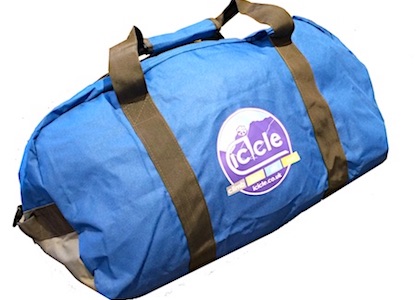
Icicle
expedition kit bag for FREE
All those booking on
this trip are entitled to a free Icicle expedition
kit bag. This tough c.65 litre capacity kit bag
is designed for full expedition usage and is made
out of durable fabric, and features carry straps.
It normally retails at £50. Postage within
the UK is included in the prices. If you live overseas,
it's not a problem at all. We'll let you know the
price for postage. Want a second bag? Order another,
click
here. |
|
|
| Upgrade
options |
|
Flights
UK to Kathmandu
From £600
(inc. airport taxes) |
Icicle
is fully bonded with ATOL, and so we are able to
offer flights to Kathmandu International Airport.
This is served by, and flights from the UK are from
Heathrow. See our ATOL licence,
details. |
|
|
Nepalese
Departure Tax
Payable on entry/exit c.£15
|
We
do not force clients to have these obligatory taxes
iincluded in the prices, as they are paid locally
in US Dollars, and some clients may benefit from
the exchange rates by opting to pay these directly
at the airport. |
|
|
 |
Current
course availability
|
|
|
| Testimonials |
|
|
|
|
|
|
|
| Press
& media |
|
|
|
|
| Films
& videos |
|
|
|
|
| Photo
gallery |
|
|
|
|
|
 |
|
| Suggested
reading and kit |
|
|
|
|
|
 |
View
full course equipment list,
with examples of kit, click
here |
|
|
| Why
choose our trips? |
|
|
|
See
our trip blog, by clicking on the Word-press logo
to the right. |
|
|
Itinerary
flexibility to allow you to take full advantage
of the weather windows on any day, to maximise your
enjoyment. |
|
Our
prices are fixed in £ Sterling, to protect
you from $USD fluctuations, so you can budget accurately. |
|
There
is a choice of routes to opt for, depending on the
weather, conditions, and your experience. |
|
|
 |
|
| Effects
of climate change |
|
|
| The
weather patterns in the Himalayas are changing, and the
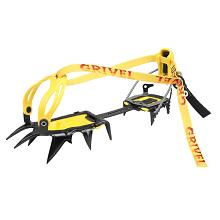
icefields are shrinking. It is not necessary to use an
ice axe or crampons on the mountain or during this trek.
The typical weather at present is clear mornings, then
an afternoon cloud build up (often with short shower),
then the clouds break in the evening and over night. This
pattern explains why on the day to summit the high point
of Kala Patar you and your guides will set off at first
light in the early morning to take advantage of the clear
skies so that you get the best views at the top.
|
|
 |
|
| Chitwan
Jungle Safari |
|
|
| Many
people choose to extend their stay for an extra three
days to experience safari. Close to Kathmandu is the Chitwan
National Park which is a world famous reserve and one
of the last places to see the Asian one-horned Rhino.
The action packed three days include a visit to the village
of Tharu, an elephant back safari ride, travel in a dug
out canoe, and a visit to the elephant breeding centre.
Transport to and from Kathmandu is included. We offer
this three day extension from £350. At night you
stay in comfortable local lodges. Contact us for further
details. |
|
| Any
further questions? |
|
|
A
key part of choosing a company is being able to come and
talk about your plans with an experienced course advisor
face to face. In an increasingly virtual world, we know
our clients value speaking to real people, getting open
and honest advice. The vast majority of our clients are
British, and our office and outdoor store is based in
Windermere in the English Lake District.
 
Get
in contact to arrange a meeting, and come in for a coffee
to discuss your course in person with a trip
advisor. |
|