Mountain
courses equipment lists
A
key concern of our clients is what equipment they
should bring on a course. This is a valid concern
as we run everything from ice climbing to Mont Blanc,
and so the equipment used on courses is different.
This page will assist you to plan what you need,
and also how to save money. You DO NOT need everything
on this page, and you will be sent a course specific
kit list when you book on a course.
Basics...
The key equipment that you
need to provide is exactly that which you would
wear for a day of winter hill walking in Scotland
or the Lake District. In other words you normally
wear a wicking base layer, fleece jacket and waterproof
jacket. On your legs you wear trekking trousers
(with waterproof over-trousers if cold or wet),
and gaiters. As with walks in the UK, the most important
factor is that you have well fitting boots, especially
if you are on a course with long ascent days (blisters
could stop you climbing).
Layering...
The key to selecting your
clothing is a layering system to allow for the wide
temperature range. In other words a thick lined
jacket over a t-shirt is not as effective or versatile
as thin base and fleece layers, with a shell jacket.
The layering system should be applied to the hands,
feet and legs as well as your torso. For all the
reasons mentioned here, we warn against any cotton
material clothing, and 'wet when warm' systems such
as Buffalo for mountaineering / trekking / skiing.
Variables...
SEASONS:
The summer Alpine season includes all courses
running from the end of May to the end of
September. The winter Alpine season runs between
December and March, though the coldest months
are December and January when the days are
shortest.
INDIVIDUALS:
In identical conditions some people will be
comfortable in a waterproof shell with a fleece
layer underneath, whilst others may overheat.
Only you know how you react to heat, cold,
wind and wet, so adapt the kit list to how
you normally dress.
TEMPERATURE:
In summer it may be 35° in the valley
and -25° on Mont Blanc, so you have to
take into account a 60° change in temperature.
In winter the valley is 0°, & you
generally loose 10° for every 1000m height
gain. Also factor in the likely wind chill.
Save...
Unless you plan to climb several
times a year, it may not be cost effective to buy
all the equipment. The Guides supply the ropes,
and ice / rock protection on all the Guided days,
so you don't need any of that, unless you wish to
learn how to use your own kit better. Items such
as harnesses, helmets, crampons, ice axes, and avalanche
safety can be hired from us. If you are planning
to buy any kit, those booking on our trips get a
discount voucher of up to 20% off items from our
technical mountain store in Windermere. Click
here to visit our store.
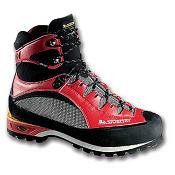
ITEM:
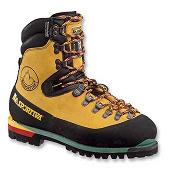
4 season leather boots or plastic boots, only
graded B3
REASON: this rating ensures that they're crampon
compatable
EXAMPLE: Sportiva Nepal Extreme, Scarpa Alpha,
Asolo AFS
TIPS: only buy boots from a shop that has fitted
them for you
WARNING: B2's (Makalu's & Manta's) aren't
warm / stiff enough
COURSES: every course, apart from ski courses,
need these
SAVE: instead of buying, you can hire boots in
Chamonix
Rock
Climbing
Shoes RECOMMENDATION
Scarpa Eclipse
RRP c.£65
ITEM:
comfortable & well worn in shoes, lace up /
slipper style
REASON: some courses involve rock climbing days
in the valley
EXAMPLE: 5:10's, Boreal, La Sportiva - all make
similar models
TIPS: buy rock shoes that aren't too tight, as these
may rub you
WARNING: on Alpine routes use shoes you can wear
socks in
COURSES:
you may even want these for evening wall climbing
SAVE: hire rock shoes in Chamonix for approx £4
each day
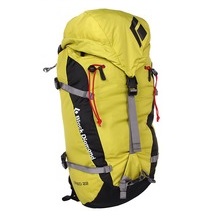
ITEM:
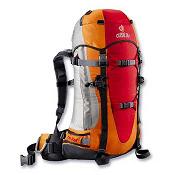
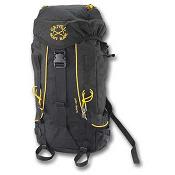
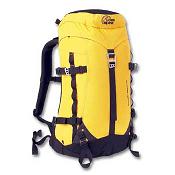
an Alpine climbing pack is small & has no side
pockets
REASON: this is the maximum size needed for Alpine
routes
EXAMPLE: Mammut Extreme 35, Lowe Alpine Attack 40
TIPS: if there are too many straps on the bag, take
them off
WARNING: unecessary straps may snag on technical
routes
COURSES:
if you need a bigger bag you are carrying too much
SAVE: there are good own brand bags eg: Decathlon
shops
Halogen
or LED
Head Torch RECOMMENDATION
Petzl Zipka
RRP c.£25
ITEM:
either halogen or LED bulb head torch + spare batteries
REASON: Alpine starts are (Mont Blanc at 1am) are
very dark
EXAMPLE: Petzl Zoom (Halogen) or Petzl Tikka (LED
bulbs)
TIPS: make sure that your helmet has fittings for
head torches
WARNING: battery life can be affected by cold, so
take spares
COURSES:
useful on all courses, and for huts in the evenings
SAVE: LED head torches are more economical on battery
use
UV
Shades
or Mountain
Sunglasses RECOMMENDATION
Cebe Cecchinel
RRP c.£70
ITEM:
with side patches or wrap around, that are close
fitting
REASON: unprotected snow glare can cause snow blindness
EXAMPLE: Bolle, Cebe, Julbo - whatever fits your
face best
TIPS: wear your glasses with a safety cord around
the back
WARNING: a bad fit can let glare or snow get in
to your eyes
COURSES:
these are needed on all courses, summer & winter
SAVE: don't go for expensive glasses, as they often
get broken
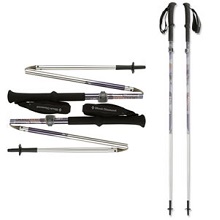
Pair
of
Trekking
Poles RECOMMENDATION
Leki Makalu's
RRP c.£30 each
ITEM:
should be bought in pairs with a choice of base
fittings
REASON: poles help reduce the impact on knees on
descents
EXAMPLE: Leki make the best range, with suspension
springs
TIPS: you can climb with a pole in one hand &
axe in the other
WARNING: get three section poles as these compress
better
COURSES:
you can use trekking poles for ski mountaineering
SAVE: Decathlon makes sturdy own brand poles that
last well
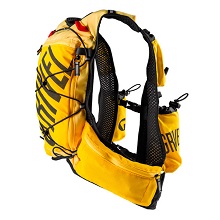
Personal
Hydration
System RECOMMENDATION
Platypus Hoser
RRP c.£14
ITEM:
these are plastic water pouches with pipes to drink
from
REASON: you can drink on the move, & keep better
hydrated
EXAMPLE: Platypus make a good range of hydration
systems
TIPS: put sugary drinks in them to hinder them freezing
up high
WARNING: even insulated tubes will not stop the
pipes freezing
COURSES:
on long ski tours (Haute Route) these are good
SAVE: many shops make own brand hydtation systems
now
Water
Bottle
or Flask RECOMMENDATION
Sigg 1.5 L Bottle
RRP c.£12
ITEM:
get two water containers, that are watertight (no
leaks)
REASON: water in huts is often undrinkable, so carry
over 1L
EXAMPLE: Sigg and Nalgene make the most durable
bottles
TIPS: you can pay for hot water in huts to make
tea for climbs
WARNING: dehydration is a major cause of altitude
sickness
COURSES:
stay hydrated on courses. Flasks good in winter
SAVE: plastic mineral water bottles will do the
job just as well
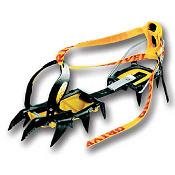
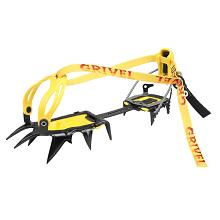
ITEM: 12 point mountaineering style (not technical
crampons)
REASON: technicals aren't designed for walking &
ball up lots
EXAMPLE: Grivel G12's, Charlet Super 12's, or BD
12 Points
TIPS: depending on the boot design, choose step
in's or straps
WARNING: you need anti-balling plates (don't use
Duck tape)
COURSES:
these used on all our non technical / ice courses
SAVE: cheaper crampons or alloys wear quicker /
risk breaking
ITEM:
step in style technical crampons with vertical front
points
REASON: the points are for steep ice / very techncial
routes
EXAMPLE: Grivel Rambos, Charlet M10's, or Charlet
Darts
TIPS: opt for metal toe bails for a very close /
secure fitting
WARNING: only use mono-points if the ice is in good
condition
COURSES:
for use on all ice & extreme level winter courses
SAVE: you can get new front points, rather than
new crampons
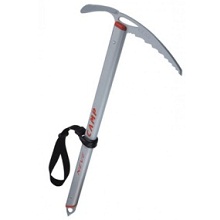
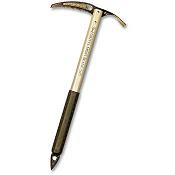
ITEM:
mountaineering style for classic routes (non-tech
pick)
REASON: for classic techniques eg self arrest &
step cutting
EXAMPLE: Stubai Mountain Star, Grivel Jorasses or
Air Tech
TIPS: a lightweight axe doesn't last as long, but
you go faster
WARNING: do not put a leash on a classic mountain
axe
COURSES:
these are used on all non techncial / ice courses
SAVE: semi-technical axes can be used on technical
routes
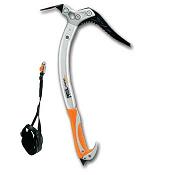
Pair
of
Technical
Ice Tools -
RENT ITEM -
RECOMMENDATION
BD Viper Ice Axes
RRP c.£175 each
ITEM:
these have reverse banana shaped technical ice picks
REASON: these hook into ice, & come in hammer
/ adze pairs
EXAMPLE: Grivel Wings, Charlet Quarks, Simond Naja
Cups
TIPS: use a leash on the weak hand, leashless on
screw hand
WARNING: carry an allen key to tighten any loose
picks up
COURSES:
these are used on all ice and technical courses
SAVE: buy changable picks, to extend the life of
your axes
Alpine
Safety
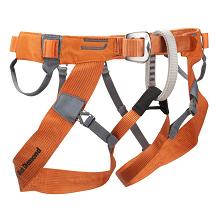
Harness -
RENT ITEM -
RECOMMENDATION
Black Diamond Bod
RRP c.£50
ITEM:
comfortable and fully adjustable, made in an Alpine
style
REASON: padding can get wet, then freeze, &
make you cold
EXAMPLE: Black Diamond Alpine Bod, or the Petzl
Gourou
TIPS: for classic routes the weight is a key factor,
as is comfort
WARNING: make sure that you double back all buckle
straps
COURSES:
these harnesses are more versitile than rock ones
SAVE: basic harnesses are cheap & best for mountaineering
ITEM:
a plastic / carbon fibre helmet with strap head
cradle
REASON: there's always rock / icefall in the Alps
to beware of
EXAMPLE: Camp Rockstar, BD Half Dome, Petzl Ecrin,
Meteor
TIPS: check if the helmet adjusts to allow for hats
underneath
WARNING: a badly fitting helmet could endanger your
life
COURSES:
these are used on all our mountaineering courses
SAVE: essential piece of safety kit, & there's
no savings here!
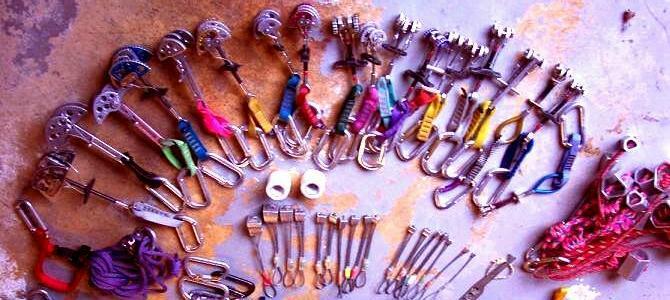
ITEM:
long slings, 8ft circumference (4ft length), of
sewn tape
REASON: long slings are essential kit for safety
and rescues
EXAMPLE: most of the equipment manufacturers make
slings
TIPS: a long sling can always be doubled up to make
it smaller
WARNING: be careful using slings over sharp edges
of rock
COURSES:
carry slings carefully so crampons don't snag them
SAVE:make your own slings by buying & tying
tape off the reel
ITEM:
large sized screw gates are easy to handle with
gloves
REASON: these are for personal safety kit to carry
at all times
EXAMPLE: choose a screw system that you find easy
to use
TIPS: buy three karabiners (1 harness, 1 belay,
1 protection)
WARNING: avoid cross loading karabiners, as they
may break
COURSES:
these are necessary for every one of our courses
SAVE: Own brand karabiners are cheaper, and just
as strong
ITEM:
heat dissipating devices, for ropes in belaying
or abseils
REASON: the devices control the rope, and so not
damage it
EXAMPLE: Black Diamond ATC, DMM Bug, Petzl Reverso
TIPS: a figure 8 twists ropes and doesn't provide
much friction
WARNING: be careful that the device you use doesn't
overheat
COURSES:
learn how to use new devices before the course
SAVE: there is no need for both a belay device and
a figure of 8
Cord
Prussic
Loops x2 -
RENT ITEM - RECOMMENDATION
Edelrid 7mm cord
RRP c.£1 per metre
ITEM:
two tied loops of 30cm diameter, made of 7mm cord
REASON: auto-locking knots that can be used in emergencies
EXAMPLE: if making them, buy two 1.5m lengths of
7mm cord
TIPS: if you are unsure how to tie stopper knots,
ask a guide
WARNING: they must be correctly tied with double
fishermans
COURSES:
these can also be used to fix broken crampons
SAVE: these are the cheapest, most useful, bits
of kit already!
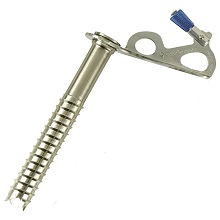
ITEM:
screw in ice screw to use as protection or emergencies
REASON: screw in type does not require a hammer
to place it
EXAMPLE: the Grivel 360, or BD Express are quick
to place
TIPS: get protectors for the bottom of the screw
to protect you !
WARNING: cheap ice screws are hard to place and
may break
COURSES:
no need to bring any, as the Guides supply these
SAVE: no savings here - good quality screws are
easy to place
ITEM:
Abalakov hook are 20cm+ wires with a hook on the
end
REASON: hook retrieves cord through screw holes
for a belay
EXAMPLE: Simond make an Abalahook, and Grivel one
too
TIPS: carry your Abalakov hook inside the tube of
an ice screw
WARNING: be careful that the hook doesn't snag your
clothes
COURSES:
the Guides carry these, especially on ice courses
SAVE: use a spare length of stiff wire with a sharpened
end
ITEM:
a well maintained clean knife with fold away sharp
blade
REASON: can be used in emergencies & for every
day tasks
EXAMPLE: Opinel knives now come with a lockable
closure
TIPS: oil the hinges and ensure the knife is dry
to avoid rusting
WARNING: ensure that the blade cannot open accidentaly
COURSES:
not necessary for any courses - don't cut the rope!
SAVE: even small knifes cut a rope that is placed
under load
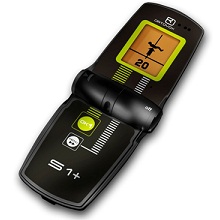
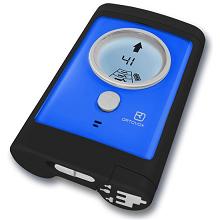
ITEM:
Appareil de Recheche des Victimes des Avalanches
REASON: device can be used to find buried victims
locations
EXAMPLE: Ortovox F1, DTS Tracker - all 457kHz frequency
TIPS: practice using ARVA every week or two during
season
WARNING: never use rechargeable batteries in ARVA
devices
COURSES:
provided free whenever they are needed on courses
SAVE: no savings - cheap ARVA's may take too long
to locate
ITEM:
collapsable probe, with central thread for construction
REASON: used to find avalanche victims after use
of ARVA's
EXAMPLE: Ortovox or Black Diamond make the good
probes
TIPS: buy probes with depth marks / colour coded
sections
WARNING: carry your probe in an easily accessible
location
COURSES:
provided free whenever they are needed on courses
SAVE: cheap probes break easily and are slower to
construct
Avalanche
Rescue
Shovel -
RENT ITEM - RECOMMENDATION
Black Diamond - metal
RRP c.£40
ITEM:
collapsable handle / shovel, so they fit in your
rucksack
REASON: to dig out avalanche victim after the use
of ARVA
EXAMPLE: Ortovox and Black Diamond make the lightest
TIPS: carry the shovel in a easy to locate section
of your pack
WARNING: plastic shovels can break in hard snow
/ icy blocks
COURSES:
provided free whenever they are needed on courses
SAVE: some shovels fit on to base of ice axes, to
save weight
Balaclava
Thermal
Hat RECOMMENDATION
Patagonia
RRP c.£15
ITEM:
a fleece balaclava that fits well underneath your
helmet
REASON: on winter / altitude climbs, stops head
from freezing
EXAMPLE: all the main manufacturers make their own
models
TIPS: balaclava can be rolled up, to use like a
normal style hat
WARNING: even though your head is warm, check your
nose
COURSES:
these are great on all ski, winter and ice courses
SAVE: the cheapest are about £5 from own brand
outlets
ITEM:
goggles with a adjustable headband to allow for
helmets
REASON: to stop spindrift from being blown into
your eyes
EXAMPLE: Cebe, Scott, Oakley, and most ski manufacturers
TIPS: double lens goggles don't steam up as much
as singles
WARNING: check the fit is good to stop air fogging
them
COURSES:
on all altitude / winter courses, these are used
SAVE: cheap goggles can fit over UV shades to protect
them
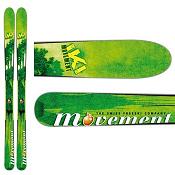
Touring
Skis &
Skins RECOMMENDATION
Atomic & Black Diamond
RRP from c.£300
ITEM:
touring skis have hinged bindings to allow for ascents
REASON: hinges allow walking movement when skins
are on
EXAMPLE: all ski manufacturers make good touring
bindings
TIPS: skins vary in style for the usage that you
will require
WARNING: ensure you keeo the skins warm when not
used
COURSES:
the Reps can get you a dicount on hiring these
SAVE: for the first times, hire touring skis to
try several types
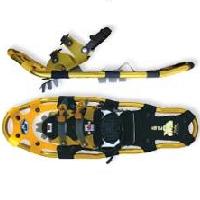
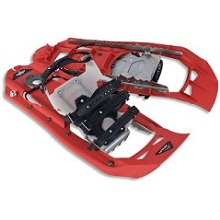
ITEM:
snowshoes allow a non-skier to cross deep powder
snow
REASON: the snowshoes base plate spreads your weight
EXAMPLE: GV Polar Trails, MSR Denali Evo's, or TSL
325's
TIPS: we have produced a snowshoe advice page at
this LINK
WARNING: snowshoes are not for climbing, but for
trekking
COURSES:
for approaches on winter courses, & snowshoeing
SAVE: if you have never snowshoed before, rent these
items
Emergency
Bothy
Shelter RECOMMENDATION
Outdoor Designs
RRP from c.£30
ITEM:
this is essentially an adapted tent flysheet without
poles
REASON: in case of winter snow storm or emergency
situation
EXAMPLE: Outdoor Designs make a good range of shelters
TIPS: these should be taken out on every day in
the mountains
WARNING: try to avoid any emergency bivouac in the
winter
COURSES:
guides carry this kit on many of the winter courses
SAVE: as this is a piece of safety equipment, don't
scrimp
3
/ 4 Season
Sleeping
Bag
RECOMMENDATION
ME Sleepwalker III
RRP c.£100
ITEM:
three season for Alpine summer, four season for
winter
REASON: bivouacing can give more flexibility than
the refuges
EXAMPLE: good brands are Mountain Equipment &
Ajungilak
TIPS: synthetic bags weigh a little more, but work
even if wet
WARNING: keep a down bag dry to ensure it keeps
you warm
COURSES:
only on the Snowshelters course
and expeditions
SAVE: if you have a 2 season bag upgrade it with
a fleece liner
Goretex
Bivvy
Bag
RECOMMENDATION
Rab Survival Zone Bivi
RRP c.£55
ITEM:
breathable bivvy bag, preferably of the all enclosable
type
REASON: this will keep you dry if wet and let condensation
out
EXAMPLE: good makes are Wild Country and Mountain
Range
TIPS: don't even think about using a survival bag
as a bivvy bag
WARNING: dry out the bivvy bag after use to stop
any mildew
COURSES:
only on Snowshelters &
Survival weekend course
SAVE: buy a cheap Goretex bag from military surplus
for £50
ITEM:
a mountain tent, of geodesic design, to withstand
weather
REASON: warmer than a bivouac bag, and more space
to live in
EXAMPLE: MSR, North Face, Wild Country make strong
tents
TIPS: always pitch your tent as designed, in line
with the wind
WARNING: never cook inside a tent, as CO gas can
build up
COURSES:
only
on our Lake District wild camping & GR20 treks
SAVE: Decathlon / Quechua make a great range of
cheaper tents
Camping
Stove
Set
RECOMMENDATION
JetBoil Flash Carbon
RRP c.£85
ITEM:
an efficient mountain stove set to cook & warm
drinks on
REASON: snow needs to be melted / water purified
by boiling
EXAMPLE: the industry leaders are JetBoil and MSR
systems
TIPS: choose a fuel system that is readily available
where you go
WARNING: if using gas, always choose re-sealable
cylinders
COURSES: only
on our Lake District wild camping & GR20 treks
SAVE: the cheapest system is military hex stoves
on fuel tablets
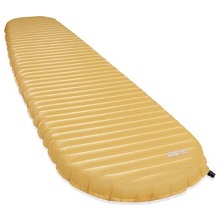
Thermal
Sleeping
Mat
RECOMMENDATION
Thermarest NeoAir X-lite
RRP c.£130
ITEM:
mat made of foam, or of the self inflating roll
mat types
REASON: this serves to insulate you, and to be comfortable
EXAMPLE: Thermarest make the classic self inflating
mats
TIPS: a mat is as important as the bag to stop you
being cold
WARNING: be careful the mat doesn't blow away in
high wind
COURSES:
only on the Snowshelters course
and expeditions
SAVE: a foam mat will never puncture, and costs
£5 maximum
Alpine
Fleece
Jacket RECOMMENDATION
ME Windstopper Guide
RRP c.£100
ITEM:
fleece is a light material with excellent thermal
qualities
REASON: the most important parts of your layering
system
EXAMPLE: Mountain Equipment do a great range of
Aquafleece
TIPS: look for patches for hardwearing areas such
as shoulders
WARNING: thin fleece often isn't windproof, unless
windstopper
COURSES:
these are useful on all our courses & expeditions
SAVE: cheap fleeces are as good thermally, though
weigh more
Base
layer
thermals RECOMMENDATION
Quechua (Decathlon)
RRP c.£10
ITEM:
top should be long sleeved to protect your arms
in a fall
REASON: you often only wear these when climbing
on hot days
EXAMPLE: Helly Hansen, Lowe, Mountain Hardwear,
and TNF
TIPS: Don't ever plan to put on a thermal layer
in mid climb!
WARNING: make sure that you select a good wicking
fabric
COURSES:
these are especially useful on winter & ice
courses
SAVE: a cheaper alternative is a thin fleece top
(Polartech 100)
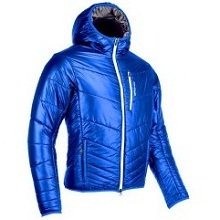
ITEM:
useful as it is light, especially in bivvys &
Alpine starts
REASON: the warmth to weight ratio is unbeatable
by fleece
EXAMPLE: North Face make good jackets, with stow
pockets
TIPS: keep jacket dry in rucksacks by keeping it
in a plastic bag
WARNING: down looses its thermal capacities if it
gets wet
COURSES:
these are very recommended on all winter courses
SAVE: you can get ex-expedition duvet jackets at
a good price
Fleece
Hat &
Gloves RECOMMENDATION
Mountain Equipment
RRP c.£15
ITEM:
excellent for lightweight thermal capabilities,
even if wet
REASON: fleece is an efficient insulator and is
quite windproof
EXAMPLE: almost every manufacturer produces these
now
TIPS: buy gloves with reinforced fingers / palms
for durability
WARNING: don't loose fleece gloves, by tying them
to jackets
COURSES:
these are used on every single one of our courses
SAVE: cheap brands eg Technique Extreme still do
the job
Waterproof
Shell
Jacket
RECOMMENDATION
ME Paclite 3 Firefly
RRP c.£165
ITEM:
a breathable windproof jacket is worn every Alpine
day
REASON: the jacket is windproof & waterproof
for when in snow
EXAMPLE: most durable jackets are around the £200
mark
TIPS: repair any rips with Goretex patches or Gaffer
Tape
WARNING: Goretex jackets need reproofing every year
or so
COURSES:
this is essential for every course we operate
SAVE: you rarely climb in the rain, so 3 layer fabrics
are OTT
Waterproof
Salopettes
or Trousers RECOMMENDATION
ME Drilite Plus Pant
RRP c.£60
ITEM:
essential for ice climbing, and when breaking trail
in snow
REASON: they stop legs from getting cold / wet,
& are durable
EXAMPLE: bib type salopettes eg TNF Mountain Salopettes
TIPS: choose salopettes with crampon patches on
the inside leg
WARNING: make sure that the leg bases can fit over
your boots
COURSES:
these are used an all winter, ski, and altitude
trips
SAVE: cheap trousers won't last, but you won't cry
if they rip
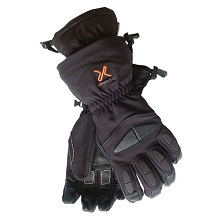
Waterproof
Gloves
(not mitts) RECOMMENDATION
ME Guide Gloves
RRP c.£40
ITEM:
outer gloves should be able to fit over base layer
gloves
REASON: their dexterity is far better than by
using full mitts
EXAMPLE: Extremities make a great range of durable
gloves
TIPS: you can treat your gloves with re-waterproofing
products
WARNING: make sure that gloves are dried out after
each use
COURSES:
these are needed on every course that we operate
SAVE: some gloves are sold as a complete (3 layer)
system
ITEM:
quality, well fitting, breathable gaiters of durable
material
REASON: these stop snow or water getting into your
boots
EXAMPLE: Mountain Hardwear venti-gaitors are durable
& fit well
TIPS: when the bottom strap wears out replace it
with wire
WARNING: gaiters should be worn all times if crampons
are on
COURSES:
needed for all courses. No Yeti gaiters in summer!
SAVE: half height gaiters are as efficient &
good in summers
1)
Keep a list of important numbers (passport, cards
etc) in case of loss or theft.
2)
If extending your stay, bring your own protection
gear, ropes etc, if you plan to climb.
3)
Use this list in conjuction with the detailed itinerary
(eg if sleeping kit is required).
4)
Classics, Summer Ice, Extreme etc: on these courses
you require technical Ice Axes* & Crampons*.
Mountaineering crampons & ice axes can be lent
free if needed.
5)
Ski touring courses require no Sleeping Kit, gaiters,
or mountain boots. You do require all the other
equipment on this list above, including all the
Technical Kit. As well as these bring touring skis
& boots, skins, ski crampons, & skin glue.
6)
Off-piste courses only need to bring normal ski
wear, including goggles, poles, skis, boots, hydration
system, rucksack, two pairs of gloves, and a harness
for glacier skiing.
7)
Trekking and snowshoeing courses will not require
the majority of this equipment, but should have
good hill walking clothing, and well worn in boots.
A
key part of choosing a company is being able to come and
talk about your plans with an experienced course advisor
face to face. In an increasingly virtual world, we know
our clients value speaking to real people, getting open
and honest advice. The vast majority of our clients are
British, and our office and outdoor store is based in
Windermere in the English Lake District.
Get
in contact to arrange a meeting, and come in for a coffee
to discuss your course in person with a trip
advisor.